






With the type of garage doors I have the fix was easy breezy, new garage door opener and the service was good.
EASY GARAGE DOOR » GARAGE DOOR SENSOR ALIGNMENT & REPLACEMENT








Based on 763 reviews
Selected and ordered by relevance by Google.
Leave a review
With the type of garage doors I have the fix was easy breezy, new garage door opener and the service was good.

They bent over backwards to get the job done quickly. My garage spring broke and I needed a custom spring before going out of town. They got it done, did it timely and did a great job.

Overall, we had a good experience with this company for our garage door high-lift conversion. Our salesperson, Yogi, was responsive, provided a quote quickly, and did a decent job keeping us updated on the status of the parts. One thing that could have been handled better was the timing of the installation. Our original garage door opener was taken down before the new parts arrived, which left us without a working opener for about three weeks. This was pretty inconvenient and could have been avoided with better coordination. Once the parts arrived, the crew completed the installation, and we’re happy with how everything turned out. The cleanup afterward could have been a little better, but it wasn’t a major issue. Overall, we’re satisfied with the final result and appreciate the communication throughout the process. There are a few areas where the experience could have been smoother, but I would still recommend them.

Great customer service from Yogi.


yotam did a great job installing a new garage door. excellent service!!

Super, fast service from Liam! Thanks!

I had an issue with my garage door this morning that needed professional attention, and Judah from Easy Garage Door Repair made the entire experience incredibly easy. He was prompt, professional, knowledgeable, and took the time to get everything taken care of. It’s always refreshing to work with someone who knows what they’re doing and takes pride in their work. The business name really does say it all. Easy, straightforward, and great service from start to finish. I highly recommend Judah and Easy Garage Door Repair!

Helpful & organized
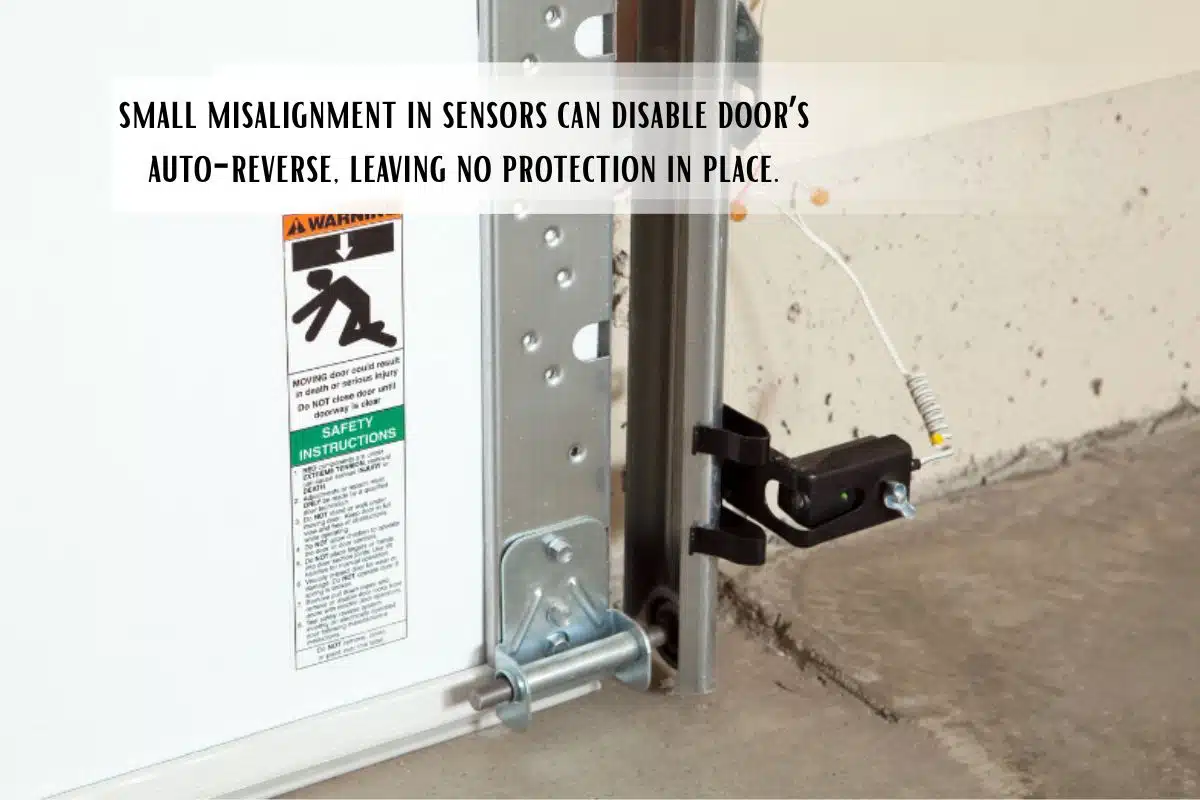
Over time, garage door sensors can become misaligned or fail due to everyday wear, weather exposure, or accidental impact.
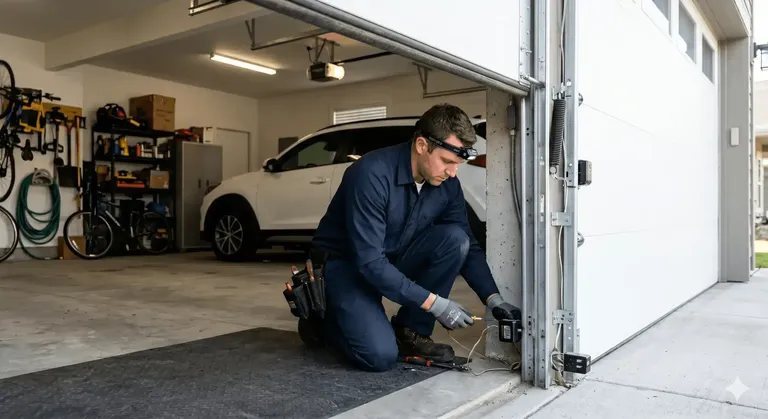
Misalignment can cause your door to behave unpredictably, refusing to close or reversing unexpectedly. Our technicians provide fast and accurate sensor alignment, as well as full replacements when needed. We’ll ensure your sensors are properly positioned, tested, and functioning so your garage door system operates smoothly and safely again.
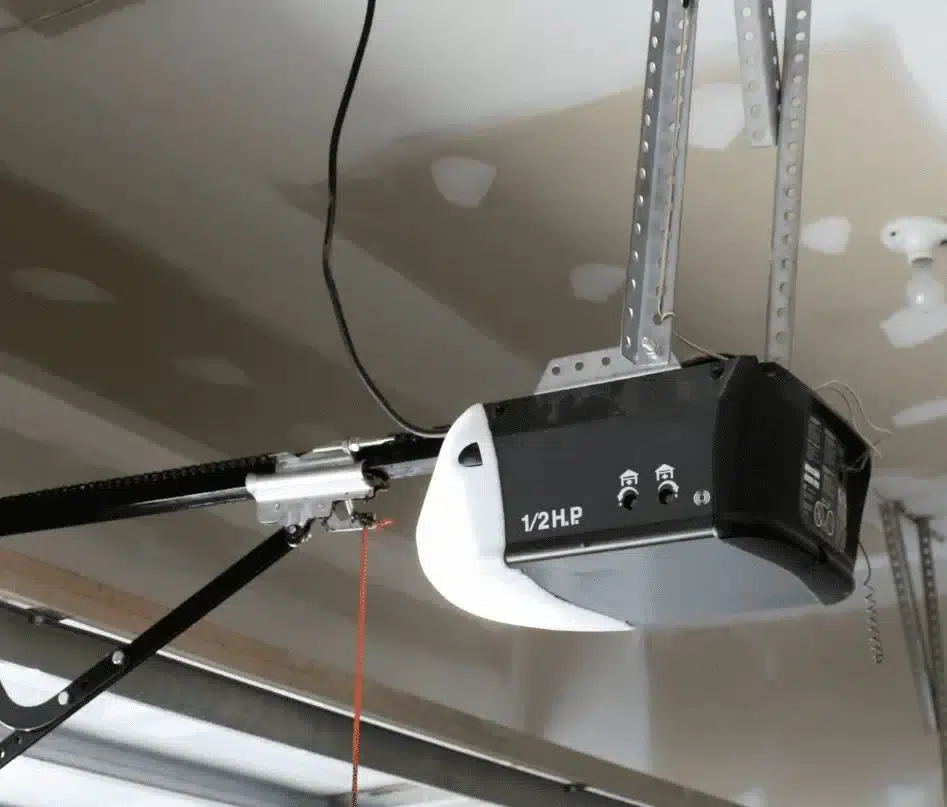
Ensuring that the sensors of garage doors are aligned is important for the automated garage door systems in homes. If not, the system could pose a safety threat to anyone trying to use the door. When using an automated garage door, a person might be under or near the door and not realize it. Proper sensor alignment keeps the system working correctly and makes certain that it will only close when it is safe to do so. It’s only right to mention that this is a critical aspect of home automation.
Sensors that are not correctly aligned create 3 main problems for homeowners in Houston:
Unpredictable operation
Unexpectedly, doors reverse or they flatly refuse to close completely. In either case, a home is left vulnerable to unwelcome visitors and to weather damage.
Safety hazards
When sensors do not detect objects in the door’s path, serious injuries and damage to property can occur.
System strain
Making unsuccessful attempts to run when sensors are out of alignment causes motors, springs, and mechanical parts to wear out much faster than normal.
This type of garage sensor is designed to prevent garage doors from closing if there’s any type of obstruction. It uses infrared beams that connect one side to the other. As soon as it detects any interruption between its beams, it will cause your door to stop and open up.
Pressure sensors are a little similar to safety sensors in how they act when there’s an obstruction. The main difference is that pressure sensors are designed to recognize small amounts of pressure to stop your garage doors from closing in on a person, animal, or object.
One of the more advanced types, CO2 sensors, is made to measure a certain amount of CO2 in your garage’s air. It’s actually made to identify if you’re powering your car to leave the garage. Once it notices high amounts of CO2, it will open your garage door.
Monitor sensors are from the name itself, monitoring the state of your garage door. It typically alerts the homeowner if the garage door is open. They can also be monitored via phone through an app. You can also set up a timeframe in which your doors can automatically close. This is a great feature that safeguards your home against potential criminal threats.
Your garage door sensors are delicate components against external factors like impact, weather, and electrical issues. With this, spotting signs is important because it can also be the tipping point on whether you can save or replace your existing sensors.
Since your sensors are always working on the clock, they are also prone to occasional damage that can cause either misalignment or complete damage. Several factors can contribute to this, most of which are common.
Anything covering the sensor might stop it from noticing movement or sending its signal, which may reduce its function. Typical culprits include dust piles, cardboard boxes, and even tiny spider webs right in front of it, which can be cleared.
Perhaps misaligned sensors cannot properly share beams, which messes up motion detection. As a result, the system stalls, or even flashes false alerts in the field today, occasionally..
This typically happens when both sensors on both ends don’t see eye to eye anymore. A misalignment can disrupt your entire garage system’s functionality. It can also create a safety issue.
Bright sunlight can interfere with a sensor’s infrared capabilities, leading to incorrect or missing data. Long stays in the sun could also wear the parts down eventually.
Moisture entering a sensor can corrode its components, potentially causing erratic behavior or complete failure. This often happens outdoors or where sealing is especially weak.
Loose wires or bad contacts may cause power drops due to aging components; sensors then struggle. Consequently, performance slips, and the system might shut down intermittently, maybe even halt suddenly and quickly.
When a sudden bump hits the equipment, sensors might shift from their spot. That can make readings less reliable, or even stop the sensor altogether.
Dust and grime gather on the sensor lens, making it harder to spot motion or light shifts. So cleaning often needed; otherwise, it could fail over time.
10 to 15 years is the normal lifespan of garage door sensors, but certain key indicators can show it’s time to replace them even if they’re not old enough to be replaced. Knowing these signals can prevent you from experiencing the not-so-fun meltdowns associated with garage door parts that have run their course.
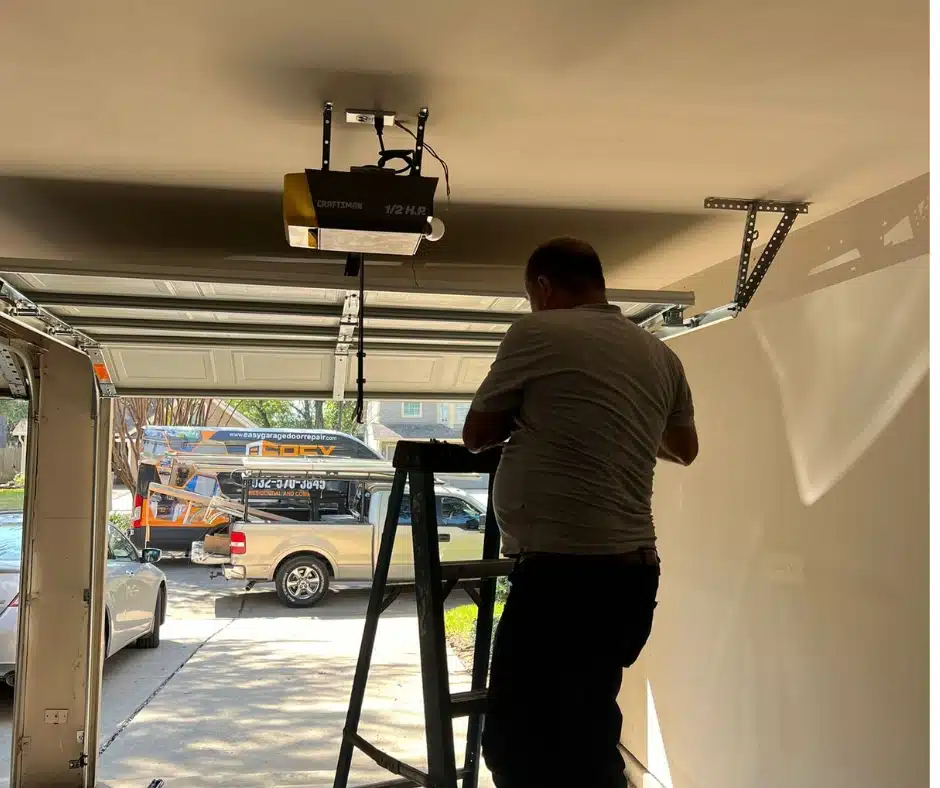
We provide a smooth service of sensor repair and alignment throughout Houston. We work promptly and efficiently with the major sensor brands of the good life: LiftMaster, CraftsMan, Chamberlain, and Genie.
Our garage door sensor repair service includes:
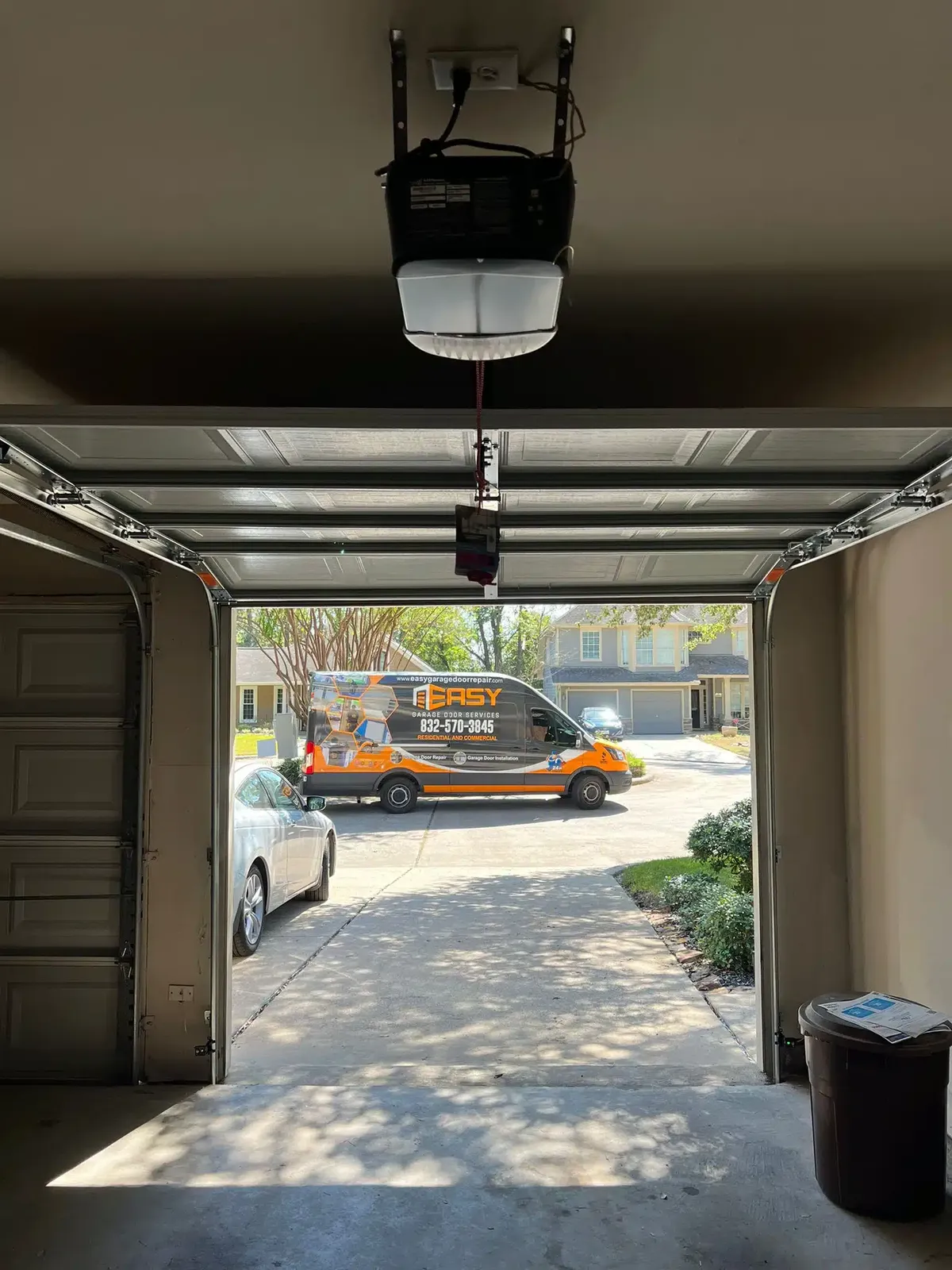
We prioritize both quality workmanship and transparent pricing for every customer. Our experienced technicians provide accurate assessments and honest recommendations. We offer clear, upfront quotes with no hidden fees, so you know exactly what to expect before any work begins. With a focus on safety, reliability, and customer satisfaction, our team is dedicated to restoring the function of your garage door quickly and affordably. Trust us to deliver repair solutions that fit your needs and your budget.
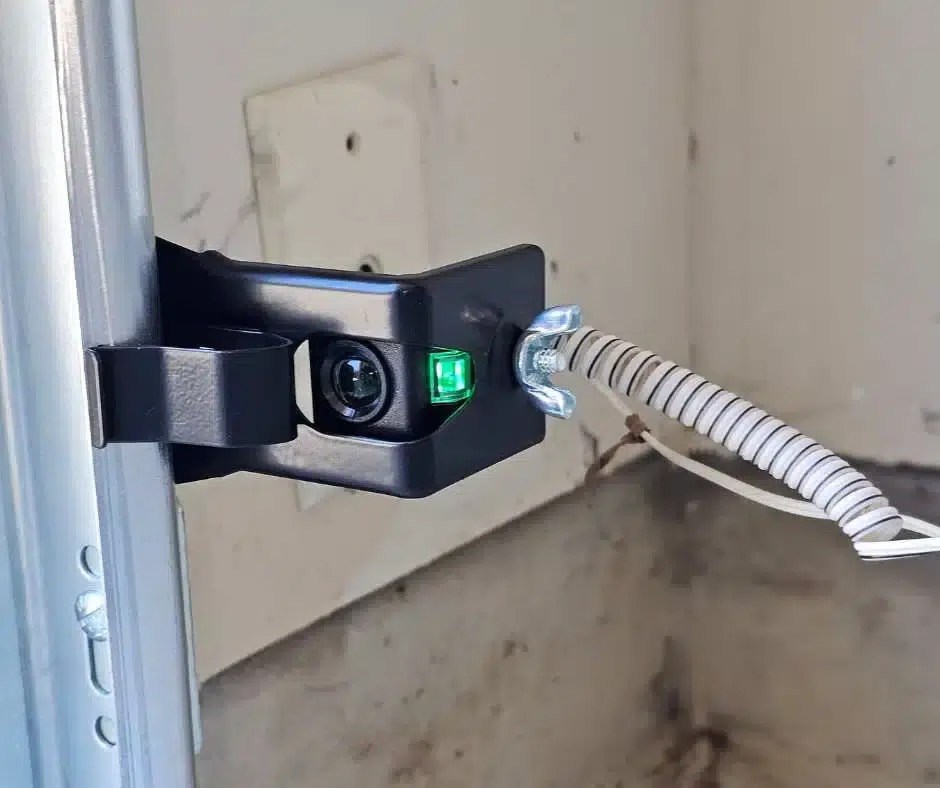
The following video shares the different ways you can align your garage door sensors.
No, garage door spring repair can be very dangerous due to the high tension in the springs. It should only be performed by experienced technicians with the proper tools and safety knowledge.
Yes, our focus is on safety and reliability. We ensure your garage door operates smoothly and safely after repair or replacement, helping to prevent future issues.
Garage door sensors are located on both sides of the garage door opening, mounted near the floor-typically 4-6 inches above the ground. They face each other to create a safety beam that stops the door from closing if something crosses its path.
The average range of a garage sensor’s lifespan is around 10 to 15 years. Proper maintenance will ensure longer usage.
Garage door sensors come in different price ranges. The average cost is $50 to $300, depending on the type, installation process, and labor cost. It’s best to confirm this with a garage door repair company for an accurate estimation.
It depends on many factors. First, you have to think about what purpose your sensor will serve. This will be your benchmark on what to look for. If you’re looking for something more specific, you can also seek professional advice.
Easy Garage Door Repair offers sensor alignment, installation, repair, and replacement services. Our repair solutions provide customers a wide selection of garage sensors that they can choose from depending on their needs, preferences, and space.
Dirty sensors are a primary problem that sensors face. Debris and dirt buildup can disrupt its functionality but doesn’t necessarily damage the sensor. If you notice an accumulation of dirt or debris on your sensors, clean it immediately.
The time it takes to replace a garage door sensor can vary depending on the complexity of the installation and the experience of the installer. On average, it can take between 30 minutes to an hour to replace a garage door sensor.
A garage door sensor may be bad if the door won’t close, the sensor lights are off or flashing, or the door reverses unexpectedly. You might also notice inconsistent behavior even after cleaning the lenses and checking alignment. If power and wiring are intact but the lights still won’t stabilize, the sensor likely needs replacement.
Yes. You can replace just one garage door sensor if only one side has failed. However, for the best performance and alignment, we recommend replacing both sensors together, so they operate as a matched pair.
A red sensor light usually indicates a problem. It may mean the sensors are out of alignment, something is blocking the beam, or there’s a wiring or hardware issue. When functioning correctly, one sensor typically shows a solid green light (receiver) and the other stays amber or yellow (transmitter). A flashing or solid red light signals a fault that needs attention.
Phone (832) 570-3845
Office HoursMonday - Friday: 7:00 AM - 7:00 PM (Sat & Sun: Closed).
Emergency Lines Open 24/7
Schedule a ServiceSWIFT, RELIABLE REPAIRS
At Easy Garage Door, we provide a fast, free, and precise quote after a professional on-site consultation, ensuring your estimate is accurately customized to your property and design specifications.
We prioritize your schedule entirely, offering flexible scheduling options to make the installation process seamless and zero-disruption to your daily life or business operations.
With your installation complete, you can immediately enjoy the enhanced security, stunning curb appeal, and perfect, smooth operation that your new, professionally installed garage door delivers.